
The Phonics Playset for children 2 to 8 who learn to read differently
You've watched your child learn the world in their own way. Reading can follow that way too.
Autistic, dyslexic or learning differently, your child doesn't have to wait for an evaluation or an IEP to start phonics. Real letters to hold and place, at their own pace, with you beside them.
Black Friday price $99.98, regular $199.99. Tablet not included. Started by a family who lived this.
Square Panda is a learning tool, not a therapy, treatment or diagnostic tool. It works alongside your child's IEP, teachers and therapists, not instead of them.
You see it before anyone else does
Trust what you see. Meet your child where they are.
Maybe they line up letters but won't say the sounds. Maybe they know every word of a favorite book but can't read it on a new page. Maybe flashcards end in a meltdown, or they simply won't speak when someone is testing them.
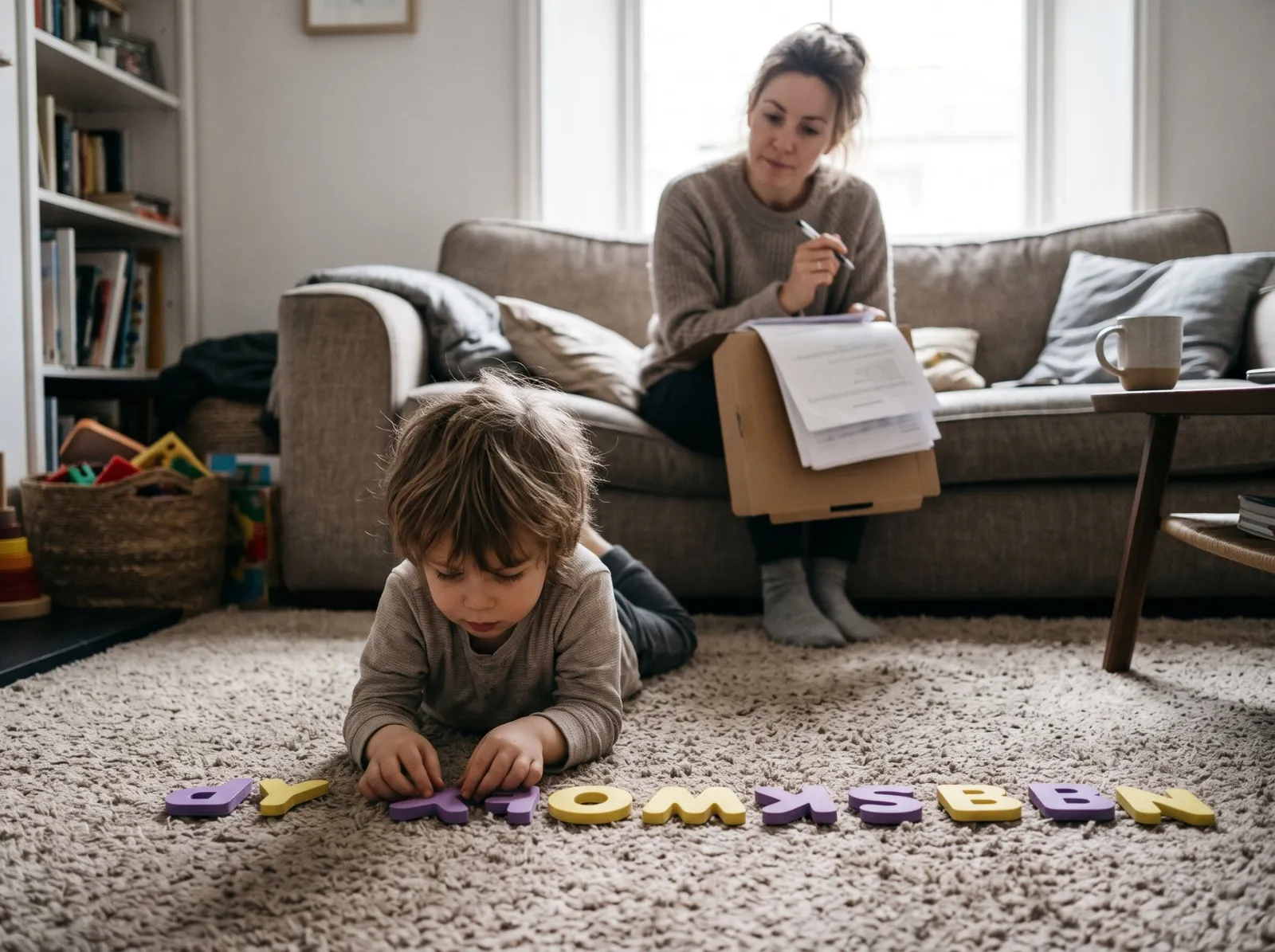
Waiting for answers.
About two thirds of autism centers have waits longer than 4 months, and a fifth wait more than a year.1
Waiting for failure.
Without early screening, reading problems often stay invisible until third grade, when the gap is already wide.2
Waiting for help that costs too much.
Specialized reading tutors can run from $30 to more than $200 an hour.3
Waiting for a teacher who has time.
39 states and DC reported special education teacher shortages for 2024-25.4
Meanwhile, 72% of fourth graders with disabilities read below the Basic level.5
Square Panda started in that same place. Co-founder Andy Butler and his family couldn't find tools that worked for their daughter, who has dyslexia, so he built them.
Why typical reading help doesn't fit
Not every child is the same, and most programs are catered to put kids in a box.

Most reading programs assume a child who can sit still, answer out loud, follow spoken directions and handle being corrected in front of others. Many of our kids can't do that yet, and it has nothing to do with whether they can learn to read.
Guessing doesn't work for them.
Strategies that ask kids to guess from pictures leave children who think in patterns and rules with nothing to hold onto. Dyslexic and autistic children need the code taught clearly: this letter makes this sound.
Talking is a barrier.
Children who are minimally verbal are often judged by what they can say, not what they know.
Too much is going on.
Busy apps with constant noise and animation can overwhelm instead of teach. And when a screen holds all of a child's attention, turning it off can become the hardest part of the day.
Waiting costs time.
Children who got reading help in 1st or 2nd grade gained almost twice as much in word reading as those who started in 3rd.6
What the research says helps
Clear phonics, hands-on practice, feedback in the moment.
Explicit, systematic phonics
Teaching letter sounds and blending step by step helps dyslexic children and autistic children, including in studies of autistic preschoolers.789
Minimally verbal children can learn letter sounds
Many minimally verbal children can learn letter sounds and early decoding when the instruction fits them.10
Visual supports and technology
Visual supports and technology-aided instruction are among the evidence-based practices for autism.11
Building words one letter at a time
Building words one letter at a time helped struggling readers improve decoding and comprehension.12
Clear, corrective feedback
Clear, corrective feedback improves early literacy, including for students with disabilities.13
Square Panda brings these together on a tray your child can hold, at home, at their own pace.
Why we start with sounds
For most children who struggle to read, the trouble starts with sounds, not letters.
Researchers studying types of reading problems found a weakness in processing speech sounds in about 9 in 10 young struggling readers19. That skill, called phonemic awareness, is one of the two best predictors of how well a child will learn to read20. Few children develop it on their own: in a classic study, only 17% of kindergartners could split a spoken word into its sounds21. And nationally, about 69% of 4th graders read below Proficient23.
English has up to 44 sounds22. Square Panda starts with letter play that teaches letter sounds your child can hear, see and touch, one small step at a time.
More from the research
Children who learn differently can learn to read with phonics.
Children who are autistic, dyslexic or have Down syndrome or an intellectual disability have learned to read through the same letter-sound methods, taught in clear steps with lots of practice. Progress was real but often slow, and the children in these studies worked with trained teachers, so Square Panda is practice at home, alongside school and therapy.
Phonics has the strongest research support for children with reading difficulties like dyslexia.
A review of 22 randomized trials found phonics was the only approach statistically confirmed to improve reading and spelling for children with reading disabilities. The gains were real but small, which is why steady practice matters.
Source: Galuschka, Ise, Krick and Schulte-Körne, 2014, PLOS ONE
Children with intellectual disability learned basic reading skills with steady, structured teaching.
In a randomized trial lasting up to 4 years, students with IQs from about 40 to 80 learned basic reading skills when they got structured reading teaching over a long stretch of time.
Source: Allor, Mathes, Roberts, Cheatham and Al Otaiba, 2014, Exceptional Children
Children with Down syndrome learned letter sounds through step-by-step phonics practice.
In a trial with 57 children with Down syndrome, 20 weeks of structured teaching led to more progress in letter sounds, blending and reading the words they were taught.
Source: Burgoyne et al., 2012, Journal of Child Psychology and Psychiatry
These studies looked at teaching methods, not at Square Panda products. Every child is different, so talk with your child's teacher or therapist about what fits.
How Square Panda fits your child
Show, don't say.
Your child answers by placing a real letter on the playset. They can show what they know without speaking a word. Their hands and eyes stay busy with the letters. This is called distracted viewing: your child glances at the screen when the game responds, then looks back down to place the next letter, instead of staring at the tablet. In a typical session, only about half the time is spent looking at the screen, so the tablet stays a helper, not the center of attention.
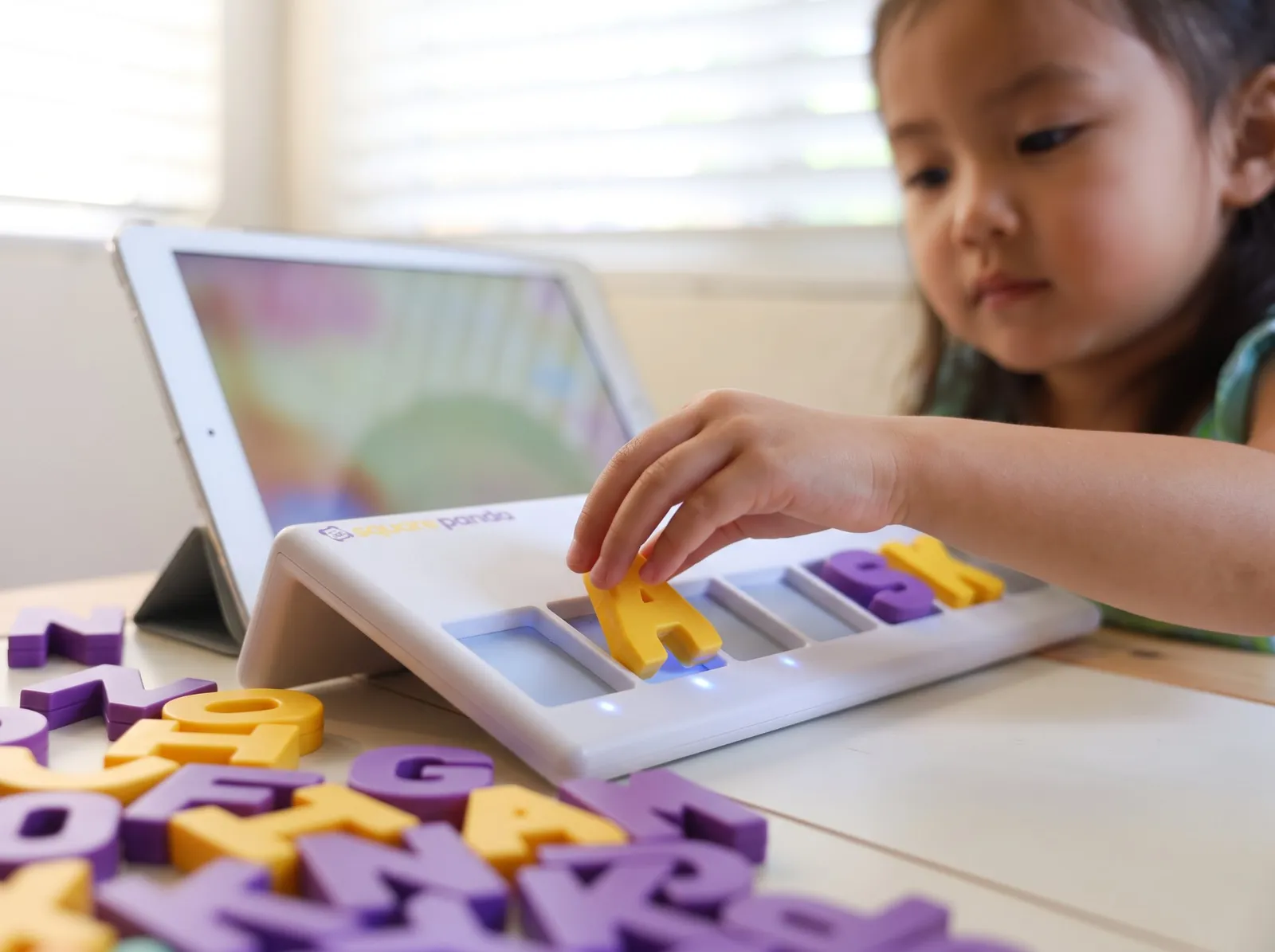
Concrete, not abstract.
46 tactile Smart Letters make each sound something to see, hold and place, then swap one letter to make a new word. Touch can help: in one study, kindergartners who explored letters by touch as well as sight sounded out more new words than those who only looked.
Instant, low-pressure feedback.
The game responds as each letter is placed, so mistakes get corrected right away, without a group watching.
Their world, their words.
In the Lagoon game you can add up to 50 custom words with your own photos, like a sibling's name, a favorite train or their dog, and block words you don't want used.
Turn the volume down on overwhelm.
Speech, music and sound effects each have their own volume control.
Their pace.
Levels start by age and the app adjusts as it assesses.
Something to bring to the IEP meeting.
The Parent and Teacher Portals show badges earned, words spelled, letter direction and the skills your child is ready for next.
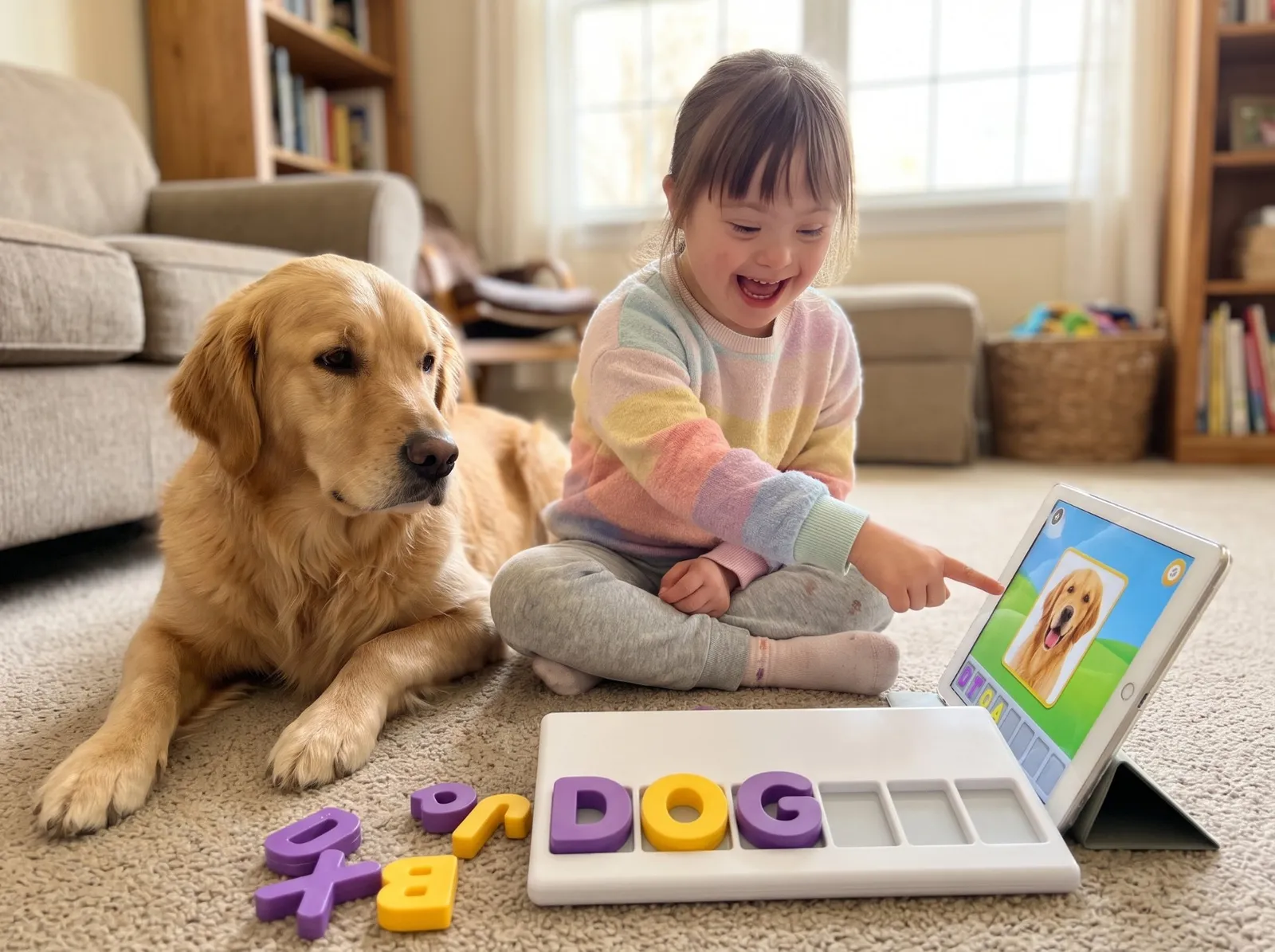
Feature to benefit
Built from what your child already loves.
Custom words and photos turn a favorite pet, train or person into the next word to build.
| Feature | Why it matters for children who learn differently |
|---|---|
| 46 physical Smart Letters | A non-verbal way to respond; hands-on word building |
| Instant response in the game | Corrective feedback in the moment, without social pressure |
| Custom words and photos (up to 50) | Visual supports built from your child's own interests |
| Block words | You control what your child sees |
| Separate volume for speech, music and effects | Adjust for sound sensitivity |
| Phonics games: sounds, rhyming, blending, CVC words | The explicit code dyslexic and autistic readers need |
| Up to 3 player profiles | Each child, or each student in a small group, keeps their own progress |
| Parent and Teacher Portals | Progress you can share with your child's team |
What's in the box
The Phonics Playset, ready to use at home.
Bluetooth phonics playset
Turns your iPad or Android tablet into a hands-on reading lesson.
46 Smart Letters
Purple consonants and yellow vowels your child can see, hold and place.
11 learning games
Letter sounds, rhyming, blending, spelling and early word reading, free from the App Store and Google Play.
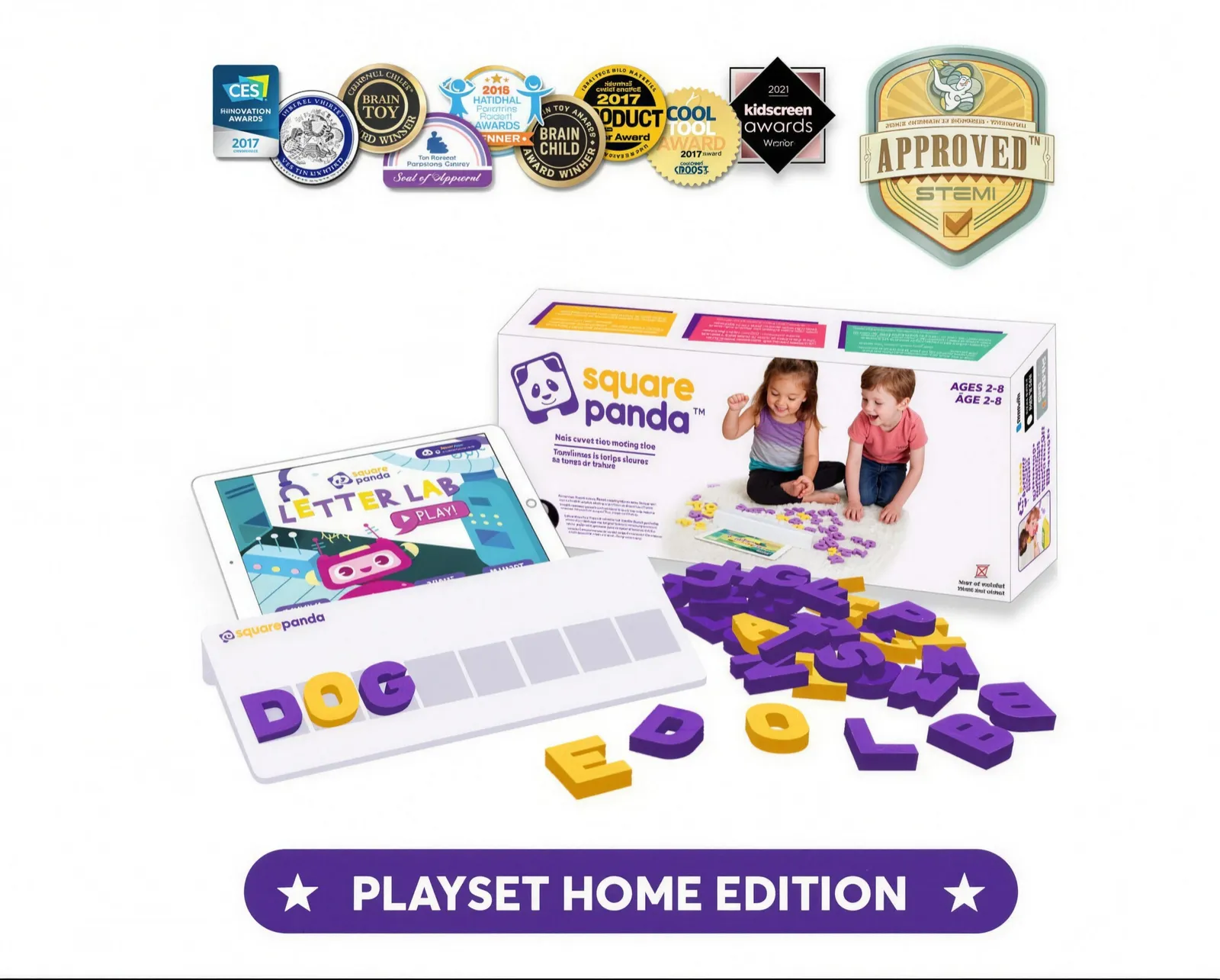
Tablet not included.
The need is big
You are far from the only family waiting.
US students receive special education services14
of 4th graders with disabilities read below Basic5
eight year olds is identified with autism15
people show some signs of dyslexia16
the word reading gains when help starts in 1st or 2nd grade instead of 3rd6
Sources: NCES, K-12 Dive on NAEP 2024, CDC ADDM 2025, International Dyslexia Association, Lovett et al. 2017

Why we built this
It started with one child who learns differently.
Square Panda was co-founded by Andy Butler after his family struggled to find tools for their daughter, who has dyslexia. Unable to find anything that both engaged and helped her, he created games to help her identify letters, begin to spell and learn to read. 17
Square Panda's design contributors and advisors include:
One family's story
What one family saw.
Leland's story
Leland is a kindergartner with Down syndrome who usually stays with an activity for 5 to 10 minutes. Given the playset during his IEP meeting, he played for over an hour, and his parents say his letter recognition has become much more accurate.
No red marks, no pressure
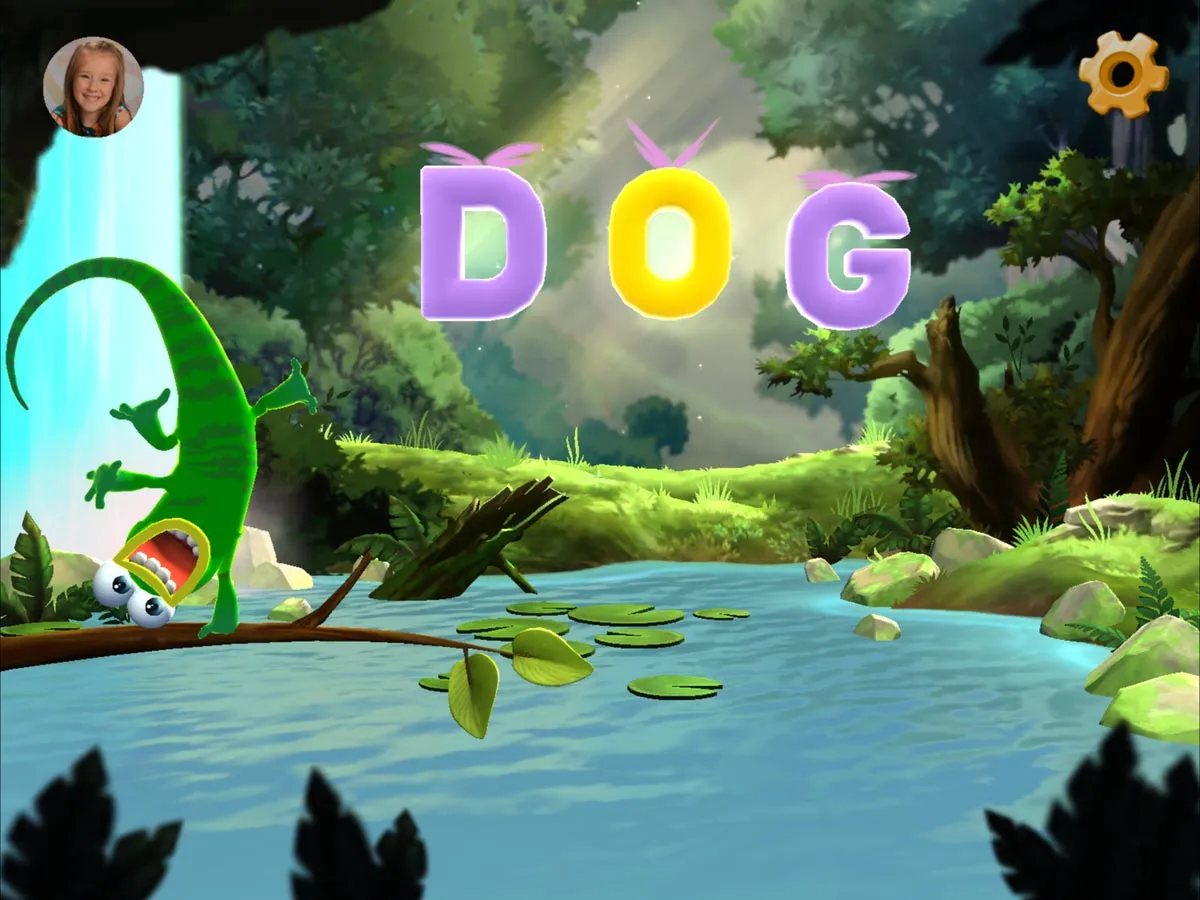
Every word gets a voice. Even a silly one.
In the Lagoon game, a chameleon sounds out any word your child builds, even a silly one, and a picture pops up when they make a real word. Square Panda calls it inventive spelling: children "can play without critique and build confidence." For a child who shuts down when corrected, that matters.18
Tablet not included.
For special education teachers and therapists
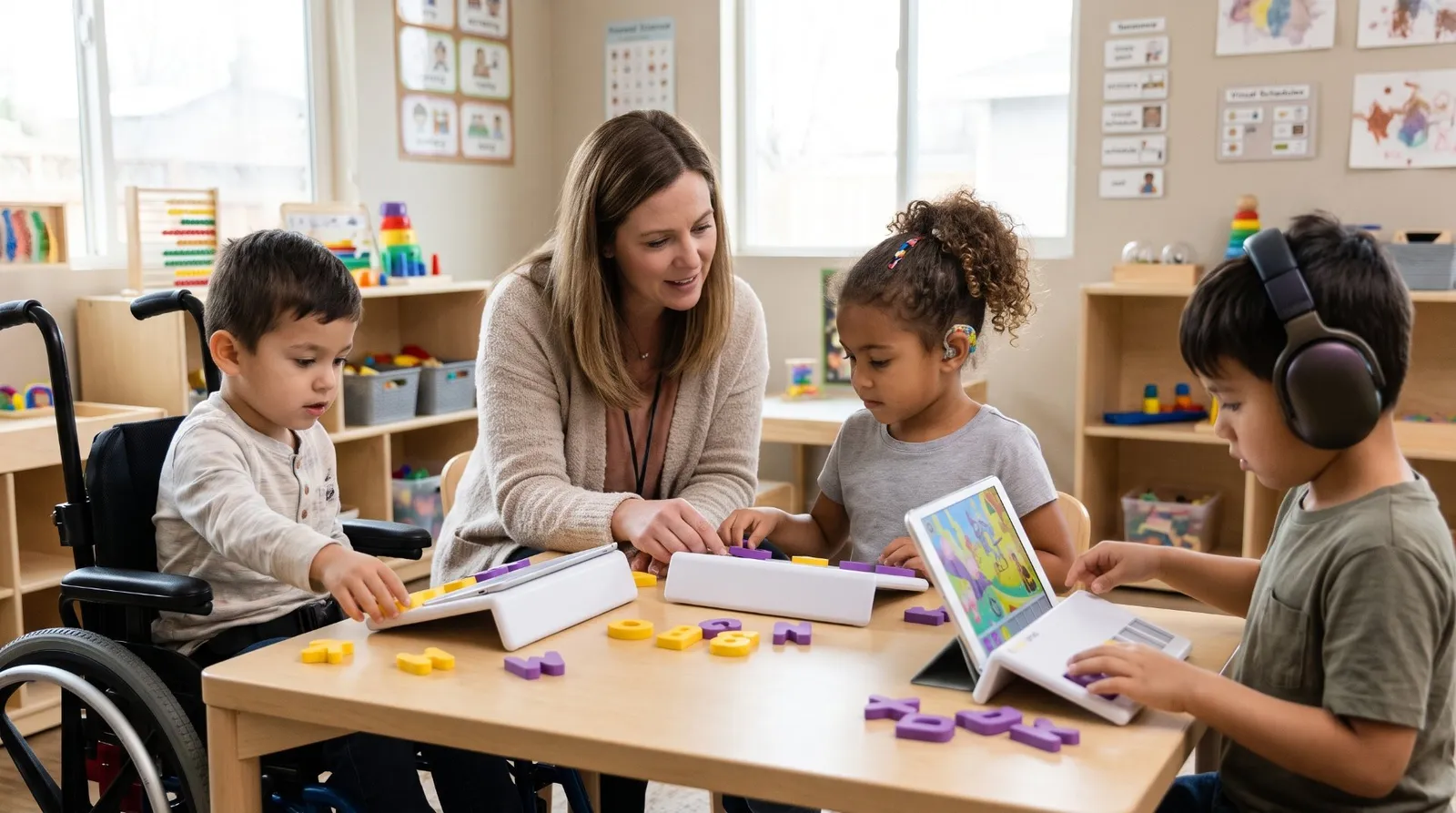
More students than minutes, and every one needs something different.
Square Panda's Classroom Playset covers up to 30 students with the SquareLand Early Literacy Curriculum, lesson plans and a Teacher Portal, and the games adjust to each child so you can run a small group while others practice. Custom words let you match targets to IEP goals and student interests.
Recommend the Home Edition to families who want to keep practicing at home.
For classroom pricing, email [email protected].
FAQ
Questions families ask
Is Square Panda made for autistic or dyslexic children?
Square Panda is built for all early readers, and it started with one: the co-founder's daughter, who has dyslexia. Its hands-on letters, instant feedback, custom words and sound controls fit what research says helps children who learn differently. Its advisors include specialists in how children learn to read and in language impairment. It has not been studied as a treatment for any diagnosis.
My child doesn't talk much. Can they still use it?
Yes. Your child plays by placing letters, not by speaking, so they can show what they know without saying it.
Will it replace my child's therapy or IEP services?
No. It's a learning tool to use alongside your child's teachers and therapists. Share what you see in the Parent Portal with their team.
My child gets overwhelmed by noisy apps.
You can turn down speech, music and sound effects separately to find what works for your child. And because the learning happens with real physical letters, much of each session is spent looking away from the screen.
Can I use my child's favorite things?
Yes. In Lagoon you can add up to 50 custom words with your own photos, and block words you'd rather skip.
What age is it for?
Ages 2 to 8. If your child is still learning letter sounds, go by skill, not birthday.
What devices does Square Panda work with?
iPad, iPhone and Android tablets (Android 7.1 and up). Amazon Fire tablets are not supported. Wi-Fi is needed to play. The tablet is not included.
Does Square Panda need a subscription?
Download the Square Panda app on the App Store and Google Play to access 11 free games. To read Square Tales, an ebook subscription is required.
What if it's not right for my child?
The playset has a 1 year warranty. Unopened items in original condition can be returned within 15 days of delivery. The customer pays return shipping, and a 25% restocking fee is deducted from the refund. To start a return, email [email protected]. You can cancel an order within 2 hours of purchase, with no penalty, by emailing [email protected].
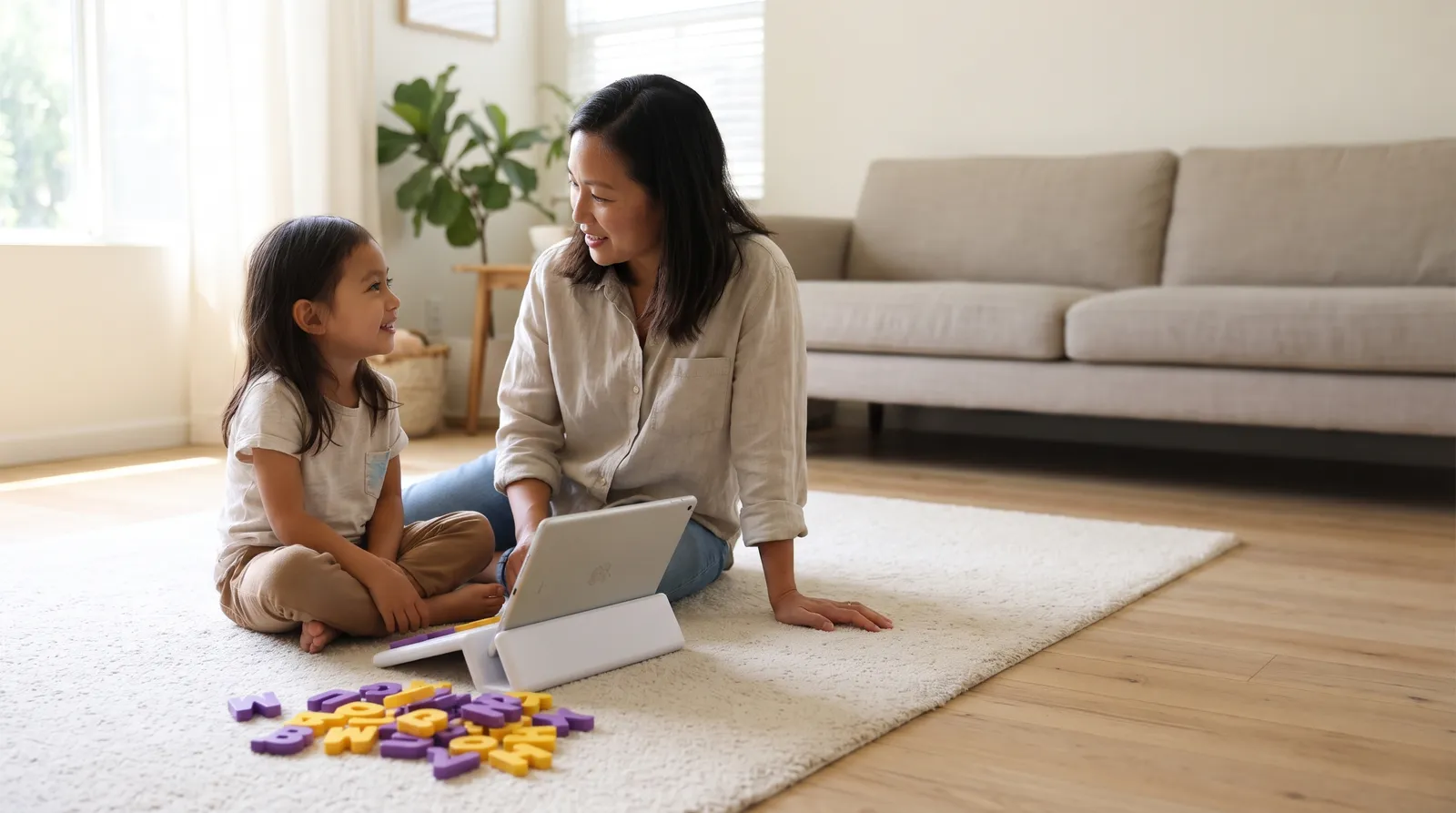
Your child can start learning to read before anyone says they're "ready."
Real letters in their hands. Their words, their pace, you beside them.
Black Friday price $99.98, regular $199.99. A learning tool, not a therapy or diagnostic tool.